


Apple buying guide · Updated 5 November 2026
The iPhone 18 Pro and Pro Max put camera control at the centre of Apple’s premium phone range. But a new generation is only worth paying for when it solves something your current phone does poorly. This guide explains the important specifications, the choice between sizes, and the questions to answer before spending flagship money.
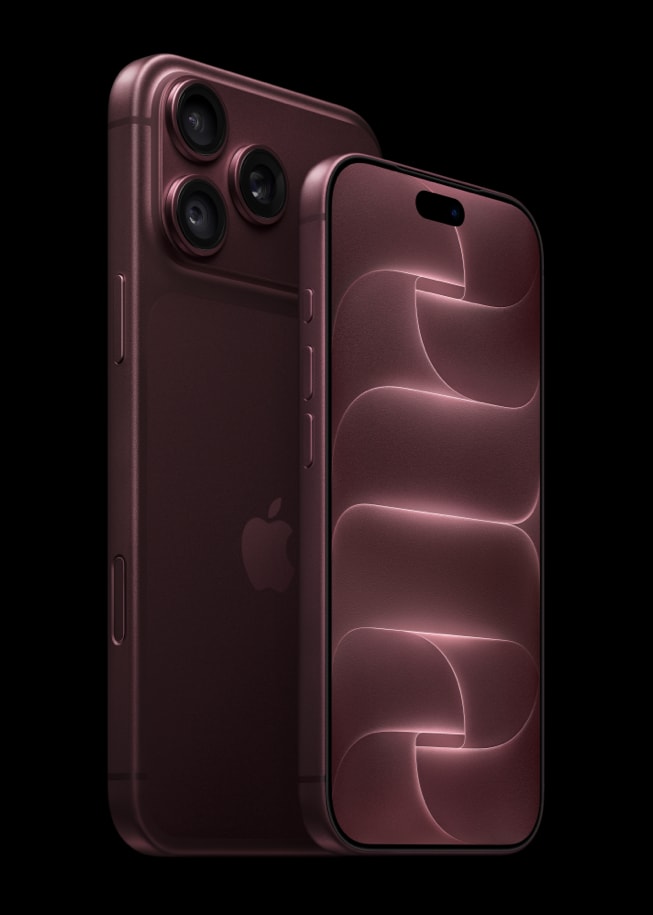
The essentials at a glance
| Feature | iPhone 18 Pro | iPhone 18 Pro Max |
|---|---|---|
| Display | 6.3-inch OLED; ProMotion up to 120Hz | 6.9-inch OLED; ProMotion up to 120Hz |
| Processor | A20 Pro | A20 Pro |
| Main camera | 48MP with variable aperture | 48MP with variable aperture |
| Storage choices | 256GB, 512GB, 1TB, 2TB | 256GB, 512GB, 1TB, 2TB |
| US launch price | From $1,199 | From $1,299 |
Prices above are US launch prices, before local sales tax, rather than live offers. Storage, regional hardware and retailer pricing should be checked before ordering. Both models went on sale in the first wave of countries on 18 September 2026.
Pro or Pro Max: start with the size
Our recommendation is to make the size decision before looking at colours or storage. A phone that feels awkward every time you pick it up is a poor purchase, however impressive its specification sheet. Try typing a message, taking a picture and reaching the top corner with the case you intend to use.
We would shortlist the smaller Pro for people who spend much of the day moving around, carry their phone in a trouser pocket, or prefer reading in short sessions. The Max makes more sense when the phone is frequently your main screen for maps, photo selection and video. Those are buying priorities, rather than a claim that either model is universally better.
If you often prop a phone on a desk, think about the entire setup. A stand, a comfortable viewing distance and larger text may matter more than simply buying the largest available display. Conversely, if small text makes you zoom constantly, try your normal apps on both sizes before deciding.
What variable aperture actually changes
The main camera offers four aperture settings: f/1.48, f/1.8, f/2.8 and f/4.0. Apple also lists 48MP ultrawide and telephoto cameras. The telephoto provides 4x optical and 8x optical-quality framing; those descriptions should not be confused with an 8x optical lens.
In photography, aperture affects how much light enters the camera and how much of a scene can appear in focus. A useful way to assess the feature is to take the same indoor group picture several ways. Look at the people at the back, not only the face closest to the camera. For portraits, inspect hair, glasses and the edge of the background blur.
Our advice is to judge photographs at the size you actually use them. Someone printing family albums should inspect detail and skin tones differently from someone sharing small images in a messaging app. More manual controls are valuable if you want them, but should not become a reason to complicate everyday photography.
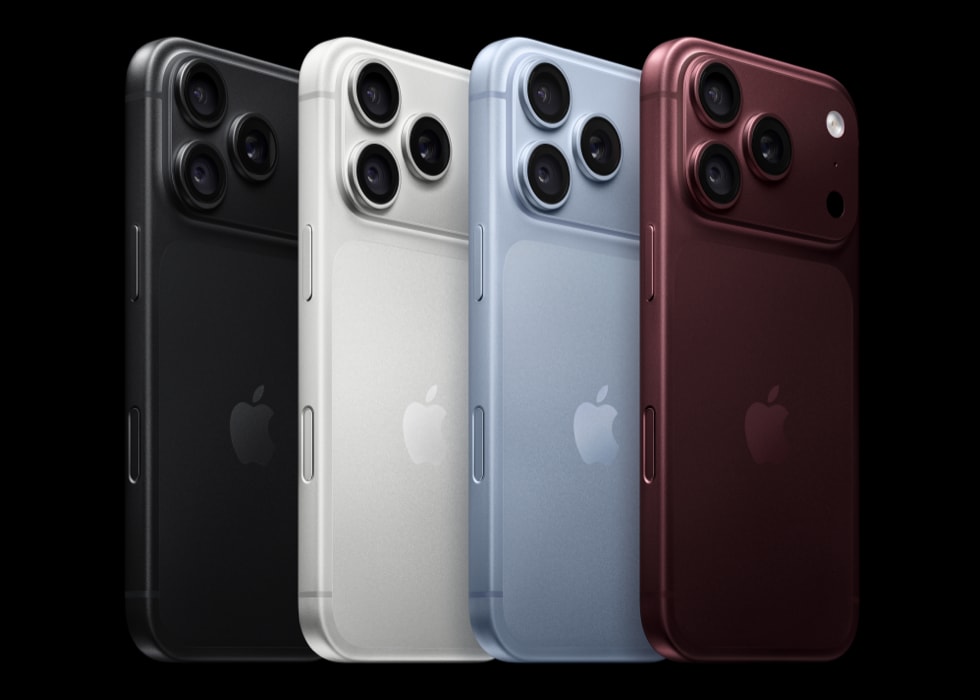
Video, editing and storage: plan a workflow
Apple’s published features include ProRes RAW, Apple Log 2 and 4K 120fps Dolby Vision video. These are specialist tools, not a requirement for attractive holiday clips. A buyer should first decide how footage will be edited, backed up and delivered.
For a family video project, we would prioritise clear sound, stable framing and a consistent recording format. Shoot a short sample, move it to the computer or app you plan to edit with, and make sure the whole process is comfortable. Selecting the most demanding format without a plan can make a simple project unnecessarily difficult.
Choose storage by checking the used space on your current phone, then allowing for the years you expect to keep the replacement. Keep a separate backup of important photographs. Buying a larger phone does not remove the need to protect the files on it, and paying for capacity you never use is not automatically good value.
Battery claims need context
Apple advertises up to 36 hours of video playback for the Pro and 45 hours for the Pro Max in eSIM-only configurations. These are manufacturer figures under specific conditions; regional models can differ. They are not our measured mixed-use results.
For a useful personal comparison, write down what drains your existing phone: navigation on mobile data, long calls, camera use, games or streaming. A laboratory video figure cannot tell you exactly how that particular day will go. Check the charging equipment required for advertised speeds and include any new adapter in the total cost.
AI features: buy what you can use today
The phones ship with iOS 27 and Apple Intelligence, while Siri AI is a staged beta rollout with language and regional limits. Verify the specific feature in your language before treating it as a purchasing reason. Availability is not the same as a guarantee that every task will work accurately.
Our approach would be to start with a small, low-risk task such as drafting a casual note. Read the output, compare it with what you meant, and decide whether it saves time. Keep personal documents out of experiments unless you understand the relevant privacy settings. A useful phone should still meet your needs when you ignore its AI tools entirely.
Should you upgrade?
- Consider it if your current phone regularly runs out of power, lacks storage you need, or limits a camera or editing workflow you actually use.
- Wait if your existing phone remains comfortable, reliable and adequate for your normal pictures and apps.
- Compare repair first if the main complaint is an ageing battery rather than missing functionality. Ask for a repair quote before committing to a replacement.
We would compare the full cost over the intended ownership period, including the case, charging accessories and any subscriptions. Trade-in offers deserve careful reading: check the required plan, condition rules, credit schedule and what happens if you leave the carrier early.
Our buying verdict
The smaller Pro is our starting point for a buyer seeking premium camera options without automatically choosing the largest device. The Pro Max belongs on the shortlist when screen area and Apple’s higher battery claim match your priorities. Neither is an essential upgrade simply because it is newer.
Before paying, settle three questions: does it feel right in your hand, does the camera solve a real need, and is the total cost comfortable? If the answer to any is uncertain, keep comparing. A well-chosen phone is one you enjoy using after the launch excitement has passed.