


To open a ZIP file on your iPhone, find it in the Files app and tap it. Files creates a folder containing the extracted items. Open that folder to use them. If the archive is still in an email or another app, save it to Files first.
Open and extract a ZIP file on iPhone
- Open Files and find the ZIP archive. Check the location where you saved it, such as iCloud Drive or On My iPhone.
- Tap the ZIP file. A new folder is created with the extracted contents.
- Open the new folder, then tap the document, image or other file you need.
- To rename the folder, touch and hold it and choose Rename.
Saving a ZIP file and extracting it are separate actions. Choosing Save to Files copies the archive; you must still open Files and tap the saved ZIP to extract it.
Find a ZIP received by email or downloaded from a website
If another app offers a Share menu, choose Save to Files and select a folder you can find again. Open Files and browse to that location. A download may be in a Downloads folder under iCloud Drive or On My iPhone, depending on your settings. Use the filename to search if you are unsure where it was saved.
Create a ZIP file on iPhone
- In Files, open the folder containing the items you want to compress.
- Tap More, then Select, and choose one or more items.
- Tap More again and choose Compress.
A single-item ZIP uses the item’s name; a multiple-item archive is named Archive.zip. Touch and hold the archive and choose Rename to change it. You can then use the Share menu to send the archive through an app you choose.
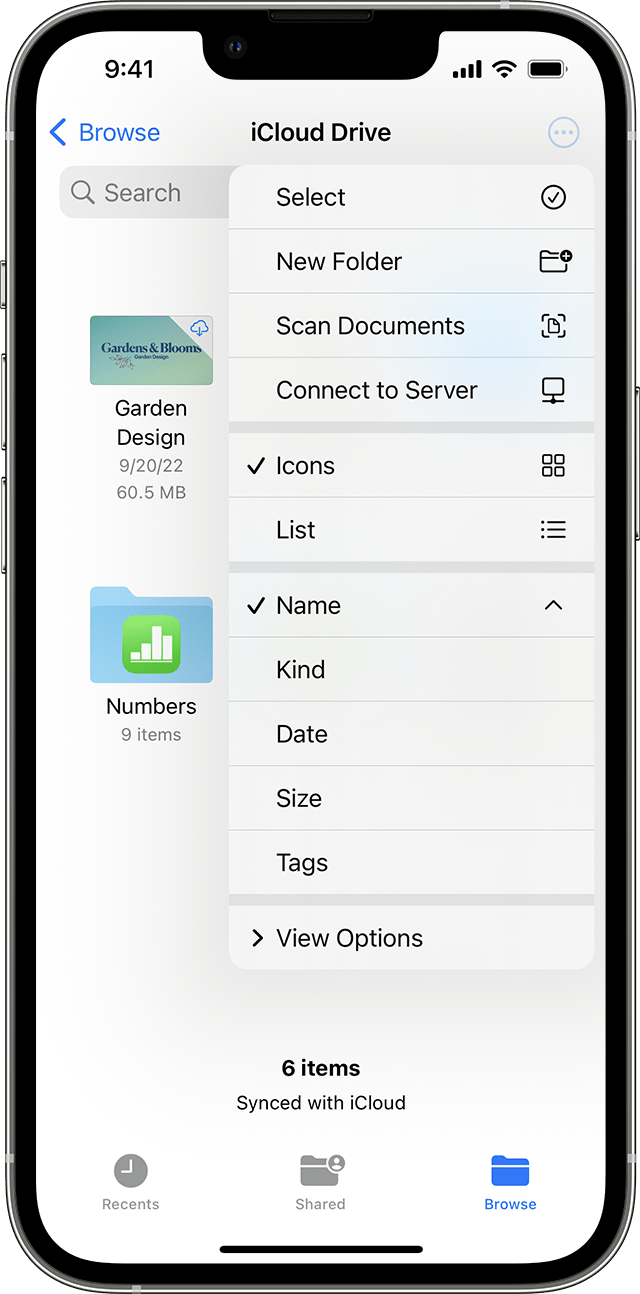
phone-how-to-zip-files
The existing illustration above shows an older Files interface. Button positions may vary with your software version.
What if the ZIP file will not open?
Check that the download is complete
Download the archive again if the transfer was interrupted. Ask the sender to confirm that their copy opens. Renaming an unrelated file to .zip does not turn it into a valid ZIP archive.
Check available storage
Extraction needs space for the expanded files as well as the archive. If storage is nearly full, back up important items before clearing space. See our guide to deleting files on iPhone.
Opening password-protected or unusual archives
Do not assume every encrypted archive or compression format is supported by Files. Ask the sender which format and encryption they used. If you need another app, check that it supports that exact format and review its privacy information before importing personal documents. Obtain the password from the sender through a trusted channel.
The folder opens, but a file inside does not
Extracting an archive does not make every file type readable on an iPhone. You may need an app that supports the document inside, or the sender may need to provide a more suitable format.
Can I do the same on iPad?
Yes. In Files on iPad, tap a ZIP to extract it and open the resulting folder. To make an archive, select the items, open More and choose Compress.
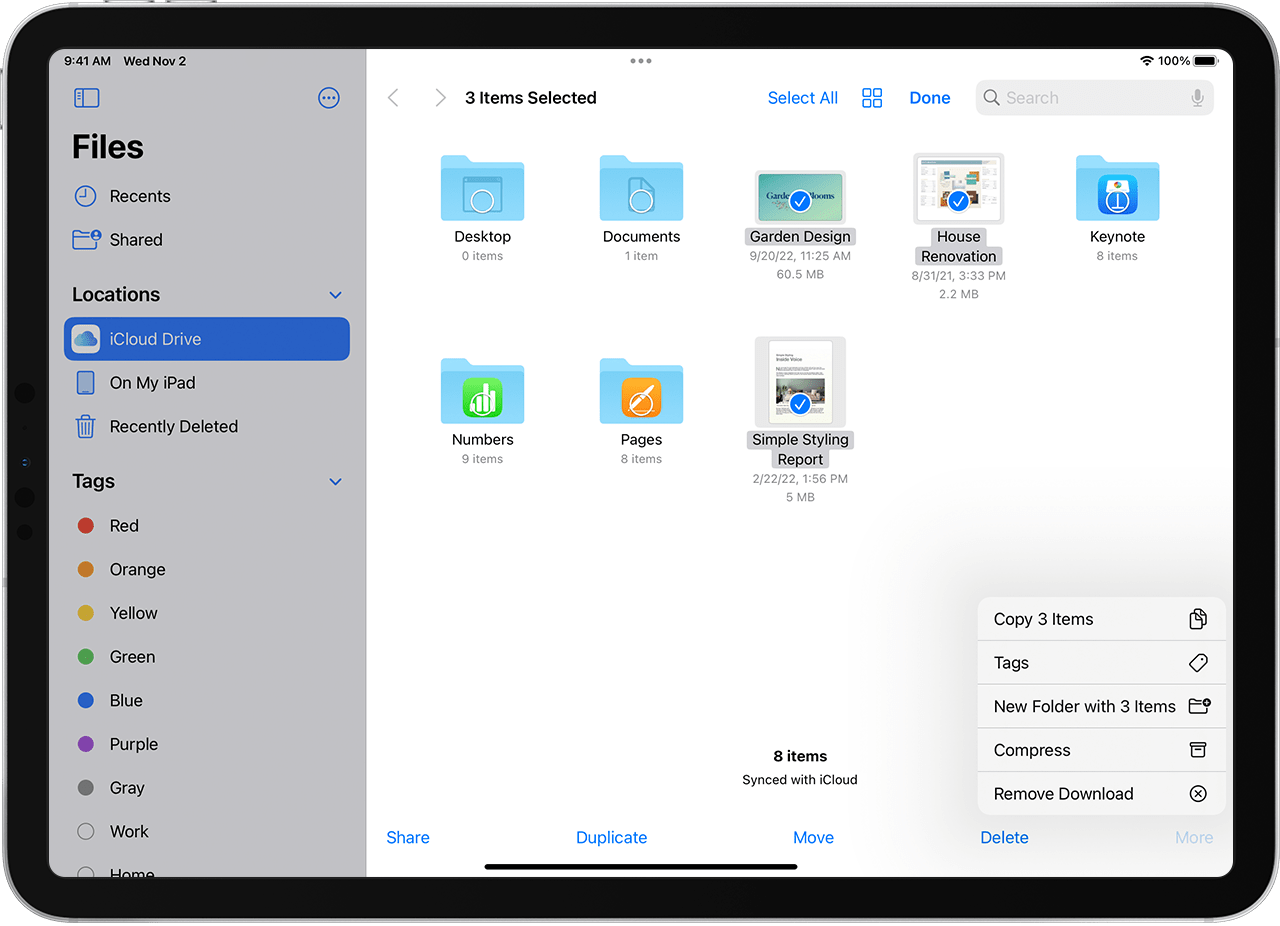
ipad-os-16-ipad-pro-11in-files-how-to-zip-files
The existing iPad illustration shows an older interface.
Frequently asked questions
Do I need to install a ZIP app?
Not for an ordinary ZIP archive that Files can open. Start with the built-in app.
Does creating a ZIP delete the original files?
No. Keep track of the originals and the archive separately before deciding what to remove.
Does a ZIP always save a lot of space?
No. Some files are already compressed. A ZIP can still be useful for grouping several items into one attachment.
Source: Apple Support: create or open ZIP files. The opening and compression procedures follow Apple’s guidance; troubleshooting notes distinguish archive problems from problems opening individual files.